Ask most contractors what they want from marketing and the answer is "more leads". Ask them what went wrong last time and the answer is usually "we got leads, they were just rubbish". Price shoppers, jobs outside your area, people looking for work, and projects too small to be worth a visit. Good construction lead generation is as much about who you put off as who you attract.
The short answer.
- Define a good lead first: service, area, job size and client type.
- Say who you work for, and who you don't, on your website and in your ads.
- Build pages for the exact searches good clients use.
- Ask for the details you need on the enquiry form, without making it long.
- Track where every real enquiry came from, and cut what brings the wrong ones.
What is a good construction lead?
Write it down before you spend anything. For example: "A commercial client within 40 miles needing a flat roof replacement on a building over 500 square metres." That one sentence tells you which searches to target, which areas to show ads in, which projects to put on your homepage and which enquiries to politely turn down.
Where do good construction leads come from?
- Google search, from people typing a service and a place. See our construction SEO service.
- Google Maps and your Business Profile, for local work. See local SEO.
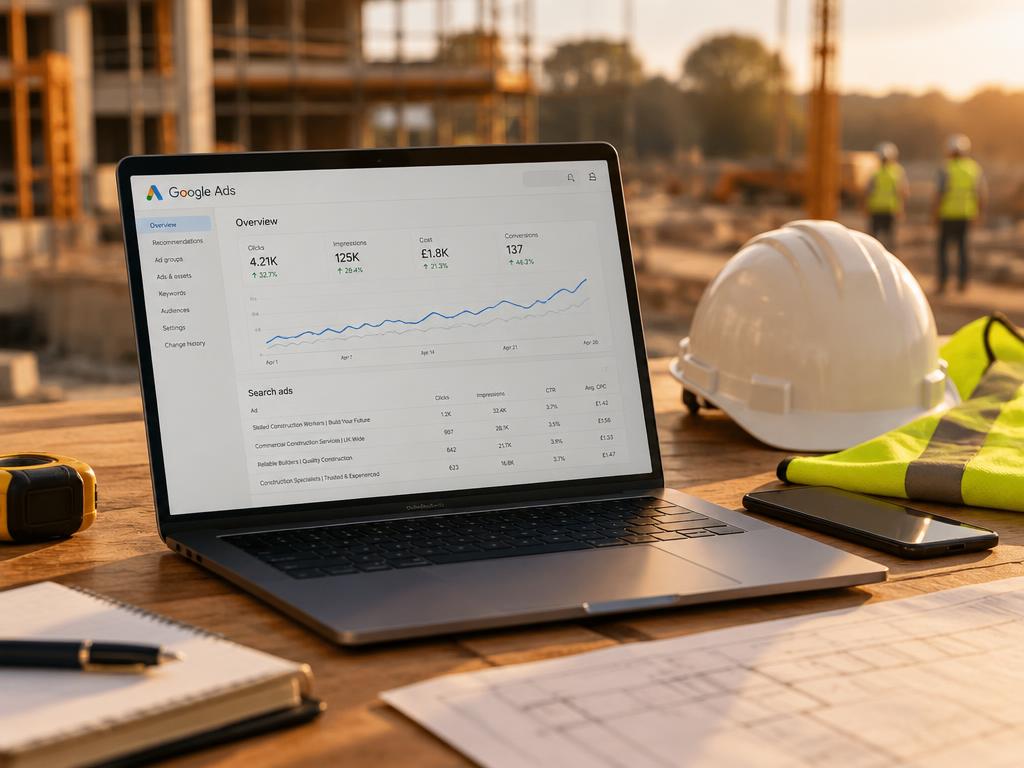
- Google Ads on tight, high-intent keywords. See Google Ads for construction.
- Referrals and repeat clients, made stronger by a website that backs up what people say about you.
- LinkedIn, trade press and awards, which keep you in mind for bigger jobs and frameworks.
- AI assistants like ChatGPT, which increasingly answer "who should I use?" questions. See how to get recommended by AI search.
How do you stop attracting the wrong enquiries?
Most bad leads come from vague wording. A headline like "Builders you can trust" attracts everyone. A headline like "Commercial refurbishment contractor for offices and schools across the Midlands" attracts the people you want and quietly tells everyone else to look elsewhere.
- Name your sectors, areas and typical project types on every service page.
- If you get job seekers, add a clear careers line or page, and say on your enquiry form that it's for project enquiries.
- In Google Ads, add negative keywords such as jobs, vacancies, salary, apprenticeship, free and DIY.
- Ask for the company name and a line about the project, so you can sort enquiries quickly.
"The best lead filter is a website that's honest about exactly what you do."
What should your enquiry form ask?
Keep it short enough to finish on a phone in under a minute. Name, email or phone, company, location and a short description of the job is usually enough. Long forms with budgets, drawings and start dates put people off at the first step; collect those on the call.
How quickly should you reply?
Fast. A buyer who has just filled in three forms will usually speak to whoever calls first. Set a rule, such as replying within one working day, and stick to it. Even a short "thanks, we'll call tomorrow morning" email keeps you in the running.
How do you measure what's working?
- Count real enquiries, not clicks or visits.
- Note where each one came from: search, Maps, ads, referral or social.
- Mark each as good, wrong fit or spam.
- Review monthly, and move effort towards the channels that bring good ones.
Not sure where your website is losing good leads? Run the free construction website audit, or tell us about your business and we'll look at it with you.